Google Advertisement
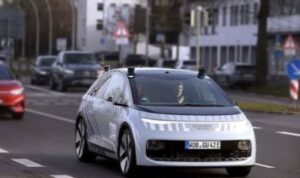
Berlin, August 9, 2026 – Volkswagen’s controlling families have intensified pressure on management and labor unions, backing CEO Oliver Blume’s sweeping restructuring plan as the German auto giant grapples with mounting costs and intensifying competition from China.
The move sets the stage for a high stakes showdown that could reshape the future of Europe’s largest carmaker.
Porsche SE, the holding company of the Porsche and Piëch families and Volkswagen’s largest shareholder, reported a sharp decline in earnings.
Adjusted half year profit fell 14.5 percent to €949 million, while impairment losses pushed the group into a €2.2 billion net loss.
Google Advertisement
Board chairman Hans Dieter Pötsch described Volkswagen as standing at a “historic crossroads,” urging swift and decisive action to secure long-term competitiveness.
At the heart of the debate is Blume’s radical restructuring blueprint.
The plan envisions up to 50,000 job cuts and the closure of four German plants, alongside efforts to streamline decision making and reduce excess capacity.
Blume argues that such measures are essential to restore efficiency and position Volkswagen against rivals, particularly Chinese automakers that are rapidly gaining ground in global markets.
Yet the proposal has met fierce resistance.
IG Metall, Germany’s most powerful industrial union, accused the families of prioritizing dividends over workers’ livelihoods.
The union insists that competitiveness should be driven by innovation, attractive products, and a forward-looking strategy rather than mass layoffs.
“We will not allow plant closures,” union leaders declared, vowing to defend workers’ rights against what they see as shareholder-driven austerity.
Adding to the tension, the state of Lower Saxony Volkswagen’s second largest shareholder with a 20 percent blocking minority joined labor representatives in rejecting Blume’s plan at a July supervisory board meeting.
The state’s political leaders argue that the proposed cuts would devastate communities and undermine Germany’s industrial base.
The next decisive supervisory board meeting, scheduled for early September, looms as a critical juncture.
Shareholders, unions, and political stakeholders will clash over whether to endorse Blume’s restructuring or force a compromise.
Finance chief Johannes Lattwein of Porsche SE underscored the urgency, stating that “every option must be considered” to restore competitiveness.
Volkswagen’s challenges extend beyond internal disputes.
The company faces high production costs, tariff pressures, and a rapidly shifting global auto landscape.
Chinese manufacturers are aggressively expanding, offering cheaper electric vehicles that threaten Volkswagen’s market share.
Meanwhile, investor confidence has eroded, with shares in Volkswagen and Porsche sliding sharply in recent years.
The battle highlights the delicate balance between shareholder demands, political influence, and worker protections that define Germany’s corporate governance model.
For Volkswagen, the outcome will determine whether it can reinvent itself as a leaner, more competitive player or remain mired in costly compromises.
As September approaches, the stakes could not be higher.
Volkswagen’s future hinges on whether its leadership can push through painful reforms or whether entrenched opposition will stall the company’s transformation at a moment of existential challenge.