Google Advertisement
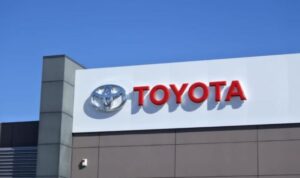
Virginia, Oktober 23, 2026 – Toyota Motor Corp. has announced a sweeping recall of more than 106,000 Land Cruiser hybrid SUVs in the United States, citing a potential fire hazard linked to a faulty fuel tube connection.
The recall, covering model years 2024 through 2027, underscores the challenges automakers face as they accelerate hybrid adoption while maintaining safety standards.
The defect involves a resin fuel tube near the tank that may disconnect under certain conditions, leading to fuel leakage.
If leaked fuel comes into contact with an ignition source, the risk of fire becomes significant.
Google Advertisement
While Toyota’s i FORCE MAX hybrid system automatically shuts down when fuel leakage is detected, residual fuel remains a danger.
The company has pledged to inspect affected vehicles, install supplemental clamps, and replace the resin fuel tube where necessary all at no cost to owners.
Toyota will begin notifying customers by mid December 2026.
In the meantime, owners are urged to verify recall status through Toyota’s official recall portal or the National Highway Traffic Safety Administration’s database using their vehicle identification number.
The automaker’s Brand Engagement Center is also available at 1-800-331-4331 for direct support.
The recall comes at a sensitive moment for Toyota.
The Land Cruiser, relaunched in 2024 with a hybrid powertrain and a more accessible price point, was intended to reinvigorate the brand’s SUV lineup in North America.
Instead, the fire risk issue threatens to dent consumer confidence and slow momentum in a fiercely competitive market.
Analysts note that while recall costs are manageable for Toyota, reputational damage could weigh on sales, particularly as rivals push aggressively into the hybrid and electric SUV segment.
This is not Toyota’s first recall in 2026. Earlier this year, the company recalled 30,000 RAV4 Plug in Hybrids over sudden power loss at highway speeds.
Taken together, the incidents highlight ongoing quality control pressures as automakers balance innovation with reliability.
For Toyota, long celebrated for engineering discipline, the recalls mark a reminder of the risks inherent in rapid technological transition.
For consumers, the guidance is clear check recall status immediately, avoid driving if fuel odor or leakage is detected, and schedule repairs promptly.
As hybrid technology becomes mainstream, the industry’s ability to manage safety risks will remain a defining factor in public trust.